

Pipe Relining vs Excavation: The Real Cost Difference for Brisbane Homes

You've Got a Broken Pipe - Now Comes the Real Decision
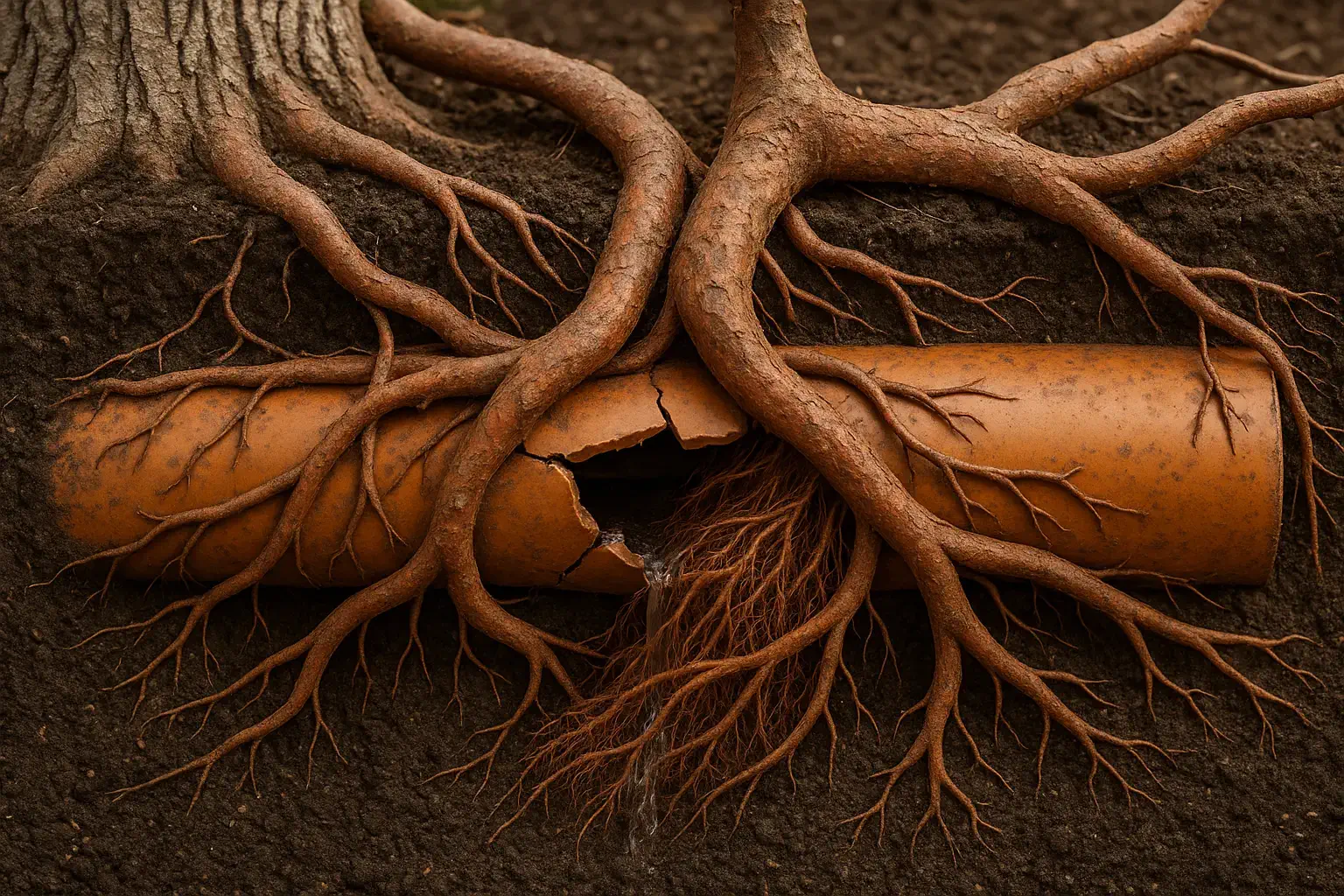
You find out a pipe is broken in the worst way. A toilet that keeps backing up. A patch of soggy lawn in dry weather. A bill from the council that doesn't add up. By the time you call a plumber, you already know it's going to cost money. The real question is which fix to pay for.
This is where pipe relining vs excavation comes in - and the cost difference for Brisbane homes is bigger than most people expect. The headline price on each method is just the start. Once you factor in landscaping repair, concrete cutting, days off work, and how long your toilet is out of action, the gap between the two options can stretch into tens of thousands of dollars.
I've been working on Brisbane drainage for years. I see homeowners get talked into the wrong fix all the time - either an excavation job that didn't need to happen, or a relining job done on a pipe that should've been dug up. So let's break down exactly what each method actually costs in Brisbane in 2026, what's hidden in the quote, and how to know which one suits your damaged drain.
What Is Pipe Relining?
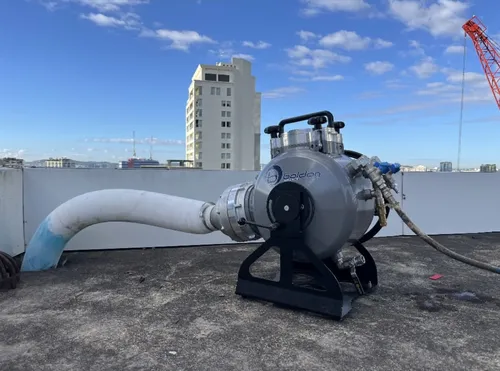
Pipe relining is a trenchless way to repair a damaged drain. We don't dig the pipe up. Instead, we send a resin-soaked liner down the existing pipe, inflate it against the pipe walls, and let the resin cure in place. The result is a smooth, jointless new pipe inside the old one.
The technical name is cured-in-place pipe (CIPP) lining. The cured liner is about four times stronger than new PVC and has no joints for tree roots to invade. Quality jobs come with a 25 to 50 year warranty.
Pipe relining works well when:
- The pipe is cracked, fractured, or has holes but is still structurally there
- Tree roots have got in through joints but the pipe shape is intact
- The pipe runs under driveways, slabs, or established gardens
- You want the job done in hours, not days
- You don't want a torn-up yard or driveway after the work is finished
The whole process should use products certified to WMTS-518:2017, the Australian WaterMark Technical Specification for cured-in-place pipe (CIPP) rehabilitation of non-pressure pipelines. CIPP work has been a mandatory part of AS/NZS 3500 (the National Plumbing and Drainage Code) since May 2019, so any liner and resin your plumber uses must carry WaterMark certification. Ask for the WMTS-518 certificate number on whatever product they're installing - if they can't give you one, the work isn't legal.
What Is Drain Excavation?
Excavation is the traditional fix. We dig down to the damaged pipe, cut out the broken section, lay a new pipe in its place, and refill the trench. It's the way drainage was repaired for the last hundred years and it still has its place.
The dig itself sounds simple enough. The complication is everything sitting on top of the pipe. Driveways, paving, lawn, gardens, tile, decking, sometimes even structural slabs. All of that has to come out and go back together when the pipe work is done.
Excavation makes sense when:
- The pipe has fully collapsed and there's nothing left for a liner to bond to
- The pipe needs to be re-laid at a different fall gradient
- The pipe needs upsizing for higher flow or new fixtures
- The pipe needs to be redirected away from a tree or new build
- The pipe is asbestos cement and full removal is the safer option
Both methods are legitimate. Both are used by licensed drainage plumbers. The right call depends entirely on what the camera shows and what's sitting above the pipe.
How Much Does Pipe Relining Cost in Brisbane?
Pipe relining in Brisbane sits between $400 and $1,000 per linear metre for standard 100mm residential drains. Most full residential jobs land between $3,000 and $15,000 depending on length, access, and damage severity.
There's usually a fixed setup cost of around $2,000 to $2,500 that covers the CCTV inspection, high-pressure cleaning of the pipe, and getting the equipment positioned. The first metre is often more expensive than the rest because the setup costs are baked into it.
A few real-world examples from Brisbane relining jobs:
- Short patch reline (2 metres) under a driveway in Hendra - around $3,500 total
- Standard 8 metre sewer reline in Aspley with one junction - $6,000 to $7,500
- 15 metre full lateral reline in an older Wavell Heights home - $9,000 to $12,000
- Multiple junction reline across a Kedron property - $12,000 to $15,000
The factors that push pipe relining higher are predictable:
- Deeper pipes over 1.5 metres need longer cure times and more careful pressure monitoring
- Pipes under driveways, slabs, or paving where access is tight
- Heavy root intrusion that needs extra jet blasting before the liner goes in
- Multiple junctions, branches, or sharp bends which each need a custom fitting
- Larger pipe diameters like 150mm stormwater lines that use more liner material
The good thing about relining quotes is they're locked in once we run the camera. You get a fixed price based on what the CCTV footage shows, not a guess over the phone. Read more on our pipe relining Brisbane service page for the full process.
How Much Does Excavation and Pipe Replacement Cost?
Excavation is where Brisbane homeowners get the biggest shock. The pipe replacement itself isn't the expensive part. The total job is.
A like-for-like dig-and-replace on a standard residential sewer in Brisbane usually starts around $5,000 for a simple, shallow run in an open garden. From there the price climbs fast. Most jobs land between $15,000 and $50,000+ once reinstatement is factored in. Full property re-pipes in older Brisbane homes can go much higher.
Where the Money Actually Goes on an Excavation Job
The new pipe is the cheapest part. Usually a few hundred dollars in PVC. Everything else is what blows the budget:
- Excavation labour and machinery - Mini-excavator hire, operators, and traffic management if the pipe runs to the street
- Concrete cutting and removal - Standard for any pipe under a driveway, footpath, or slab
- Soil disposal - Tip fees for spoil, especially if it's contaminated near a sewer line
- Backfill and compaction - Proper compaction stops the trench sinking later
- Concrete reinstatement - Pouring new concrete for cut driveways, paths, or slabs
- Landscaping repair - Turf, paving, decking, gardens, irrigation
- Permits and inspection fees - Brisbane City Council charges if the work affects public infrastructure
Landscaping is the silent killer. A pallet of turf alone runs $400 to $750 before labour. Quality pavers can hit $200 per square metre. Mature plants that took years to grow don't come back overnight. I've seen $4,000 plumbing jobs turn into $25,000 jobs because the pipe ran under a tiled pool surround.
The Hidden Costs Brisbane Homeowners Forget
The quote is one thing. The full cost of a dig job often shows up after the trench is filled in. Real things I've seen catch Brisbane homeowners off guard:
- Time off work - Someone needs to be home during a multi-day dig
- Temporary accommodation - When the sewer is cut, the toilet's offline
- Tenant disruption - For landlords, days without functioning drainage often means rent abatement
- Re-landscaping design - Matching new turf or pavers to existing surfaces is rarely simple
- Loss of established trees - Root damage from digging often kills the tree months later
Relining sidesteps almost all of this. The work happens through existing access points like inspection openings or boundary traps. No trench, no concrete cut, no lost trees. Catching damage early through regular plumbing maintenance is what keeps you in the relining cost bracket instead of the excavation one.
Pipe Relining vs Excavation: The Real Cost Comparison
Let's put both side by side on a typical Brisbane scenario - a 10 metre cracked sewer line running under a paved patio and established garden, about 1 metre deep.
NOTE: Prices in table are rough estimates and pricing varies by job
| Cost item | Pipe relining | Excavation |
|---|---|---|
| Setup and CCTV inspection | $2,400 | Included in machinery |
| Pipe and lining work | $6,500 (10m @ $650/m) | $600 (new PVC and fittings) |
| Excavation labour and machinery | Not required | $5,500 |
| Concrete cutting and removal | Not required | $2,800 |
| Junction reinstatement | $400 | Not required |
| Backfill, compaction, and tip fees | Not required | $1,500 |
| Landscaping reinstatement (paving and turf) | Not required | $8,000+ |
| Project management and supervision | Included | $1,500 |
| Total cost | ~$9,300 | ~$19,900 |
| Time on site | 1 day | 4 to 6 days |
| Damage to property | Zero | Significant |
The same pipe. Two repair methods. A $10,000 swing in cost, and one yard left intact versus one torn up for a week. This is the pattern we see again and again in Brisbane.
Why Brisbane Conditions Make This Decision Different
Pipe damage in Brisbane is shaped by the climate and geology. The reasons your pipe broke are the same reasons it'll keep breaking unless the repair is done right. The common drainage problems we see across Brisbane come down to a few local factors that don't apply elsewhere in Australia.
Brisbane homes face a specific mix of pressure on their drainage:
- Reactive clay soils across the inner north and west that expand in summer rain and shrink in dry winters, cracking rigid pipes at joints
- Subtropical tree root systems from large natives and exotics that hunt for water through any joint or hairline crack
- Heavy rainfall events that overload stormwater systems and put hydraulic pressure on aging pipes
- Older housing stock in suburbs like Wilston, Ashgrove, Wavell Heights, and Sandgate where original earthenware or cast iron sewer lines are still in service
- Slab-on-ground construction in newer northside estates where any sewer damage means concrete cutting
We see root damage on roughly two out of every three CCTV inspections in established Brisbane suburbs. Our guide on the hidden danger of tree roots in drainage pipes goes deeper on this. A relined pipe with no joints gives roots nothing to grab - which is why relining is especially well suited to Brisbane conditions.
When Pipe Relining Is the Right Call
Most damaged drains I inspect in Brisbane are good candidates for relining. The pipe is still there, still structurally sound enough to host a liner, but cracked, leaking, or root-invaded. In that scenario, relining wins every time.
Relining is the right call when:
- The pipe has cracks, holes, or root intrusion but is mostly intact
- The pipe runs under a driveway, slab, or paved area you don't want torn up
- The pipe runs through established gardens with mature trees or landscaping
- The job needs to be done fast with minimal disruption
- You want a fixed price with a long warranty on materials and workmanship
The cured liner is about four times stronger than new PVC and has no joints for roots to invade. Most installers warrant the work for 25 to 50 years. For comparison, a new PVC sewer laid by excavation has the same life expectancy but joints that can fail again over time.
When Excavation Is the Better Choice
I'm a drainage specialist, not a relining salesman. I'll tell you straight when digging is the better fix. Excavation is the right move when:
- The pipe has fully collapsed with no shape left for a liner to bond to
- The pipe sits at the wrong fall gradient and needs re-laying to drain properly
- The pipe needs to be upsized for new fixtures or higher flow
- The pipe needs to be redirected away from a tree, new build, or boundary
- The damage extends across too many junctions to make relining cost-effective
- The pipe is asbestos cement where safer disposal usually means full removal
A good plumber won't push you toward the option that pays them more. They'll show you the CCTV footage, explain what they're seeing, and recommend the fix that lasts. If anyone quotes you for relining without a camera inspection - or for excavation without first checking if relining would work - get a second opinion.
What the Relining Process Looks Like Step by Step
A standard Brisbane residential relining job runs to a fixed sequence. Knowing what to expect helps you compare quotes properly.
The process step by step:
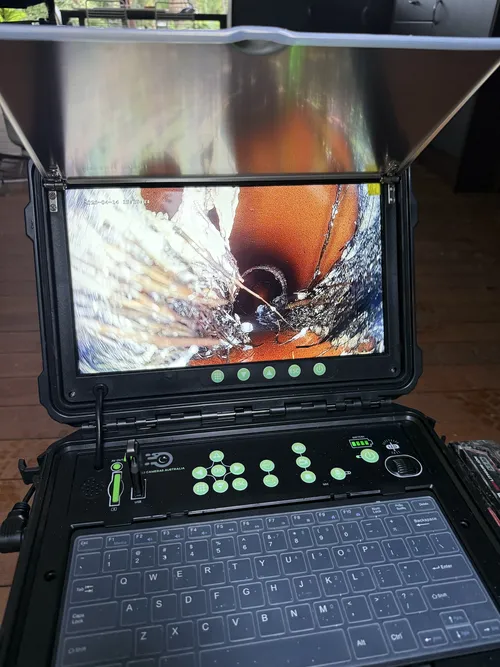
- CCTV inspection - We run a drain camera through the line to confirm damage, depth, diameter, and junctions
- High-pressure jetting - We clean the pipe walls with a jet blasting unit, removing roots, scale, and debris so the liner can bond properly
- Liner preparation - We cut the liner to length and saturate it with two-part epoxy resin
- Liner installation - The wet liner is inverted into the pipe using air or water pressure and pushed against the pipe walls
- Curing - The resin hardens in place over a few hours, forming a new pipe inside the old one
- Reinstating junctions - We use a robotic cutter to reopen any branch connections covered by the liner
- Final CCTV - A second camera run confirms the finished pipe and gives you footage to keep
In Queensland, any plumbing and drainage work must be carried out by a licensed plumber or drainer. DIY relining isn't an option and isn't legal on sewer or stormwater lines.
How to Compare Quotes Without Getting Burned
Pipe relining and excavation quotes can look wildly different for the same job. Here's what a fair quote should include, no matter which method you go with.
What to look for in any quote:
- A CCTV inspection report with footage you can keep, not just a verbal description
- A fixed price, not an hourly rate that could blow out
- A clear per-metre rate for relining, separated from the setup fee
- Reinstatement costs spelled out for excavation, including concrete and landscaping
- The pipe diameter and length being repaired, in writing
- The warranty term for materials and workmanship
- The QBCC licence number of the lead plumber on the job
Red flags to watch for:
- A quote given over the phone without a camera inspection
- No per-metre rate disclosed for relining work
- A suspiciously cheap relining price (often a sign of silicate liner with a much shorter lifespan than epoxy)
- No mention of warranty terms or WaterMark certification (WMTS-518) on the liner and resin
- Pressure to sign on the spot before you compare
What Makes Draintech Brisbane's Approach Different
At Draintech Brisbane, we don't guess. Every job starts with a CCTV drain inspection so you can see the problem on camera before any work is quoted. That means you only pay for what you actually need.
We've been working Brisbane drains long enough to know which way clay soil moves in different suburbs, which tree species cause the worst root damage, and where the council inspection traps sit on most northside streets. That local knowledge changes how we quote a job. If a dig is the right call, we say so. If relining will save you ten grand and a destroyed garden, we say that too.
Drainage is our core business across Brisbane's northside and the Moreton Bay region. Whether it's a straightforward pipe relining job, a pipe repair that needs excavation, or just a blocked sewer drain that needs clearing - we'll find the right fix and quote it fairly.
Frequently Asked Questions
Is pipe relining always cheaper than excavation in Brisbane?
Not always per metre, but almost always once you add up the full job. Relining looks more expensive on the raw pipe cost. Excavation adds concrete cutting, machinery, soil disposal, landscaping repair, and days of labour. For most Brisbane homes with cracked or root-damaged pipes, relining ends up thousands cheaper than digging.
How long does pipe relining take compared to excavation?
A standard residential relining job takes between a few hours and one full day. Excavation and replacement on the same pipe usually takes three to seven days, sometimes longer if there's concrete cutting, council inspection, or landscaping reinstatement involved.
How long does a relined pipe last?
Quality epoxy pipe liners certified under WMTS-518 (the Australian WaterMark spec for CIPP rehabilitation) have a manufacturer-rated design life of 50 years. Most reputable Brisbane installers offer a 25 to 50 year warranty on workmanship and materials. The relined pipe is also tougher than new PVC and resists future root intrusion.
When does excavation actually make more sense?
Excavation is the right call when a pipe has fully collapsed, lost its shape, sits at the wrong fall gradient, or needs to be redirected or upsized. A liner needs a host pipe to bond to. If there's no pipe left to line, digging is the only option.
Does home insurance cover pipe relining or excavation in Brisbane?
Some home and contents policies cover drainage damage caused by tree roots or ground movement, but not all. Coverage varies a lot between insurers. Check your product disclosure statement and call your insurer before paying out of pocket. We can provide a CCTV report and quote to support any claim.
Do I need a CCTV inspection before getting a quote?
Yes. Any plumber quoting on pipe relining or excavation without a CCTV inspection is guessing. A drain camera confirms the damage type, pipe diameter, depth, junctions, and fall before quoting. It's the only way to give a fixed price you can trust.
Get the Right Fix for Your Damaged Pipe
Pipe relining vs excavation isn't a one-size-fits-all decision. It comes down to what your pipe actually needs - and the only way to know that is to put a camera in the line. For most Brisbane homes with cracked or root-damaged drains, relining saves thousands and leaves your yard intact. For fully collapsed or asbestos pipes, excavation is the right call. Either way, the worst thing you can do is guess.
If your drain's been giving you trouble and you want a straight answer on the right fix, get in touch with Draintech Brisbane. We'll send a camera down, show you the footage, and quote you fairly on the method that actually suits your pipe. No upselling, no guesswork - just proper drainage solutions from Brisbane's drainage specialists.