

Blocked Drain or Broken Pipe? How to Tell the Difference

Something's Wrong With Your Drains - Here's How to Figure Out What?
You've noticed water pooling where it shouldn't. Maybe your shower is draining slowly, or there's a bad smell coming from the kitchen sink. Your first thought is probably "I've got a blocked drain." And you might be right. But here's the thing - sometimes what looks like a simple blocked drain is actually a broken pipe hiding underground.
Knowing whether you're dealing with a blocked drain or a broken pipe matters. A lot. The fix for each one is completely different, and so is the cost. A blocked drain might take 30 minutes to clear with a jet blaster. A broken pipe could mean excavation, pipe relining, or a full replacement. Getting it wrong means wasting time and money.
I've been working on Brisbane drainage systems for years, and I see homeowners mix these two problems up all the time. So let's break down exactly how to tell the difference between a blocked drain and a broken pipe, what causes each one, and what to do about it.
What Is a Blocked Drain?
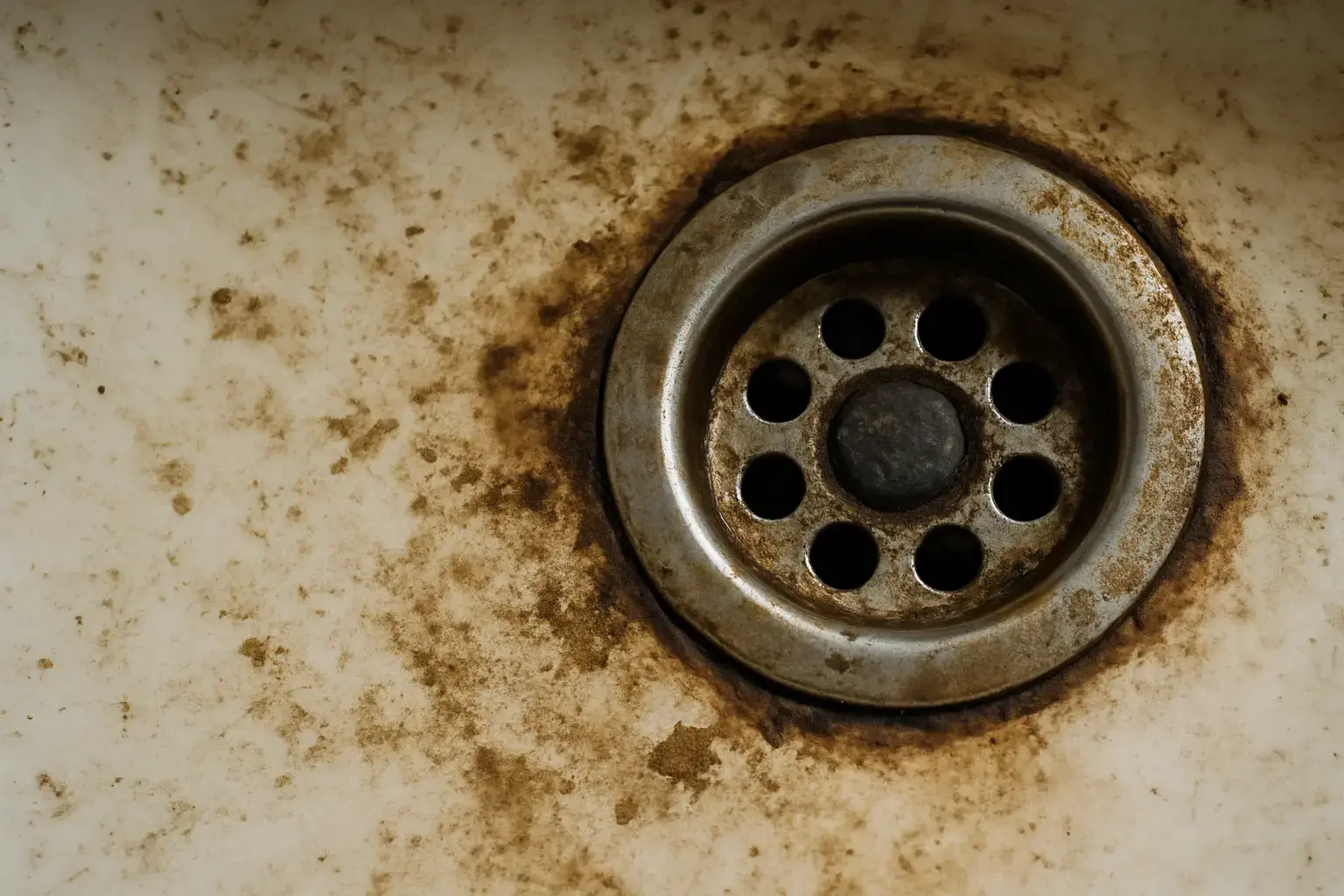
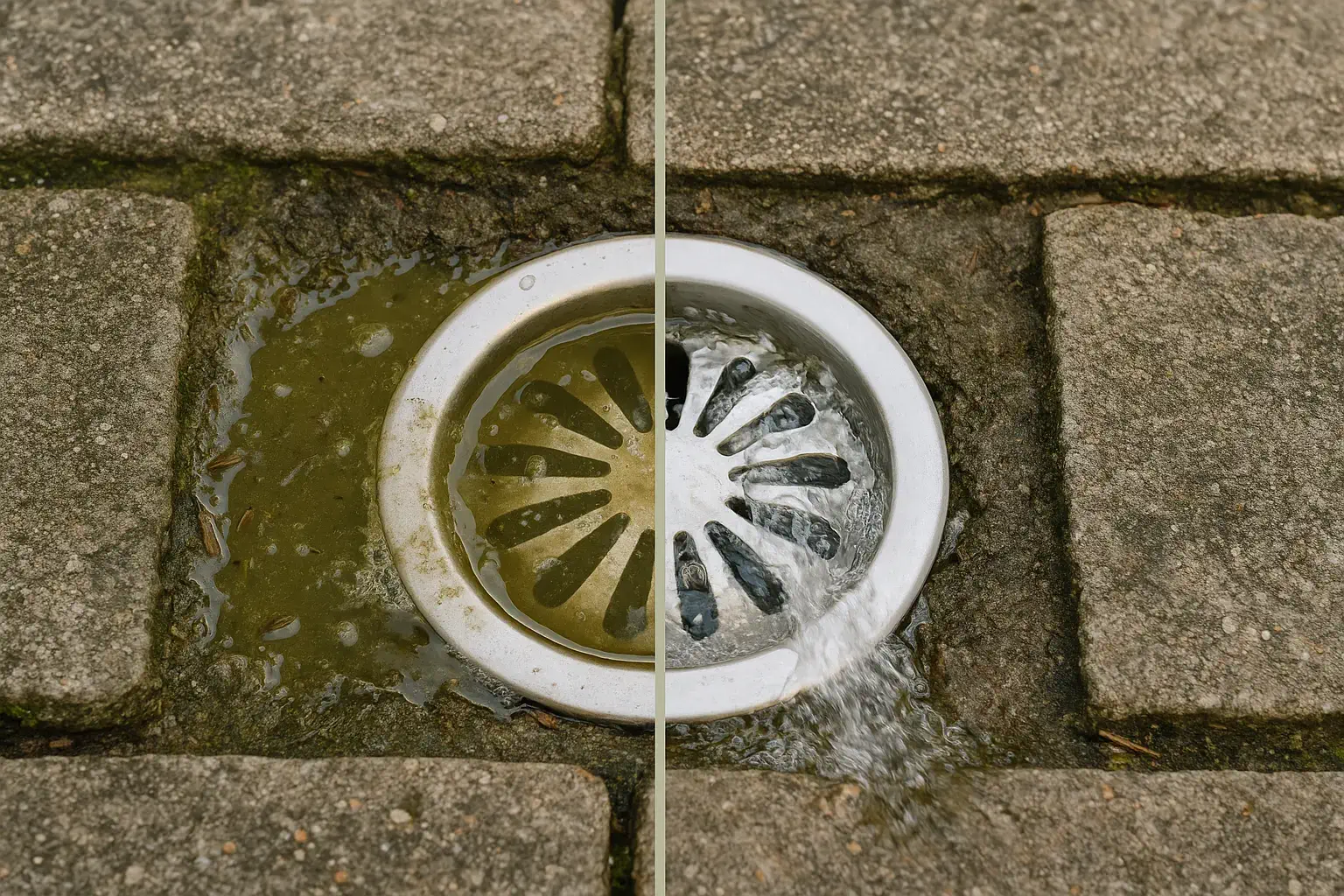
A blocked drain is exactly what it sounds like. Something is stopping water from flowing through your pipe. The pipe itself is still intact - it's just got stuff stuck inside it.
Think of it like a clogged artery. The tube is fine, but something inside is narrowing the passage or blocking it completely.
Common things that block drains in Brisbane homes include:
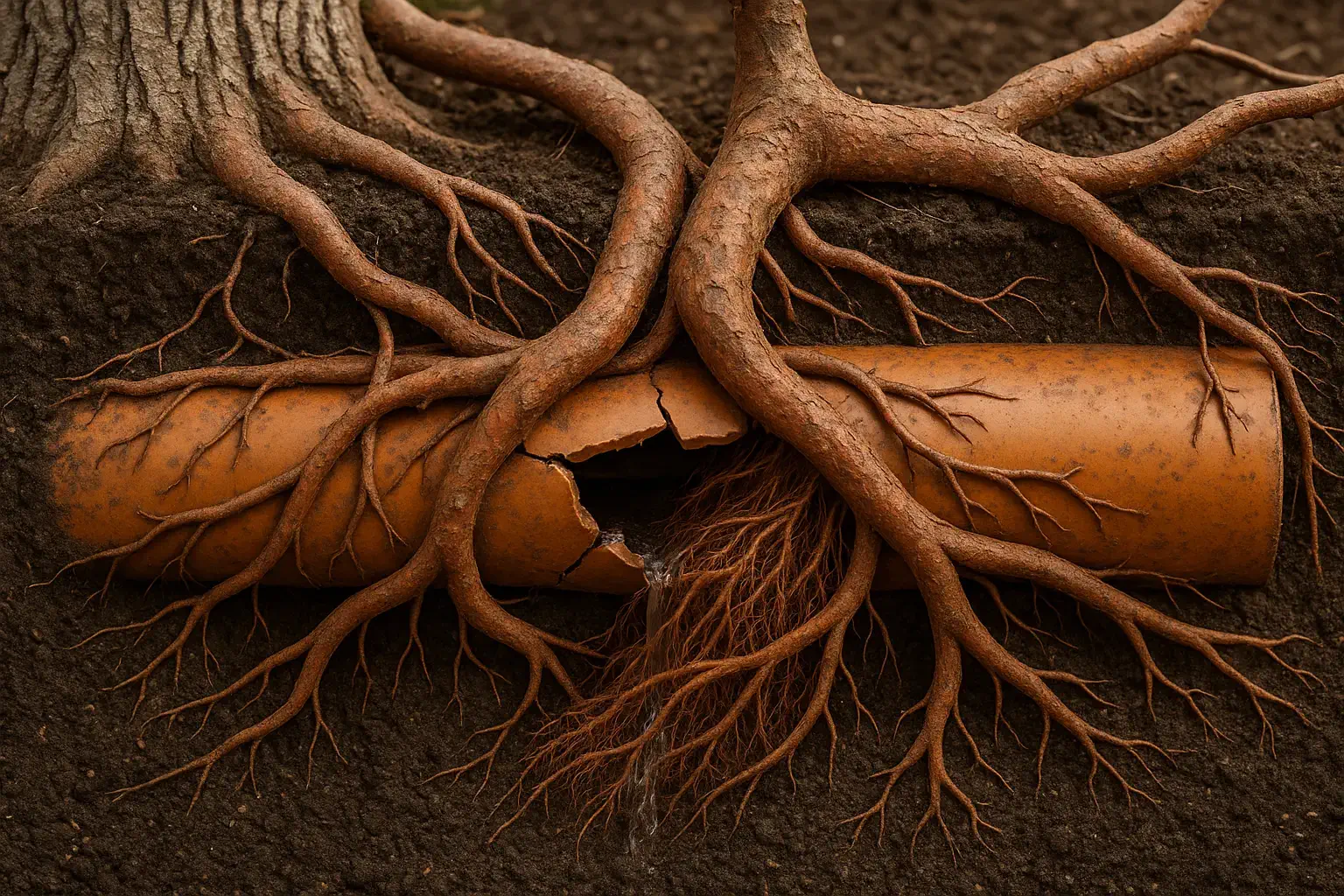
- Tree roots - This is the number one cause of blocked drains in Brisbane. Our subtropical climate means tree roots grow aggressively all year round. They find tiny gaps in pipe joints and force their way in, creating a tangled mass that traps everything else.
- Grease and fat buildup - Cooking oils and fats solidify inside pipes over time. They coat the walls and gradually narrow the pipe until water can't pass through.
- Foreign objects - Wet wipes (even the "flushable" ones), sanitary products, kids' toys, and excess toilet paper are regular offenders.
- Dirt and debris in stormwater drains - Brisbane's heavy rainfall washes soil, leaves, and mulch into stormwater pipes. After a big storm, these drains cop a beating.
- Hair buildup - Showers and bathroom sinks collect hair over months. It binds with soap scum and forms a stubborn plug.
Signs You Have a Blocked Drain
Blocked drains usually give you warning signs before they become a full emergency. Here's what to watch for:
- Slow draining water - Your sink, shower, or bath takes longer and longer to empty. This is often the first clue.
- Gurgling sounds - Air trapped behind the blockage creates gurgling or bubbling noises when water drains. You might hear this in your toilet, sink, or floor waste.
- Bad smells - Rotting food, grease, and organic matter stuck in the pipe create a foul odour. If your drains smell like rotten eggs or sewage, something is sitting in there.
- Water backing up - Water comes back up through floor wastes, shower drains, or even the toilet. This usually means the blockage is further down the line.
- Multiple fixtures affected - If more than one drain is playing up at the same time, the blockage is likely in a shared pipe or your main sewer line.
The good news with blocked drains is they're usually fixable without any digging. A high-pressure jet blaster clears most blockages in under an hour. For tree root intrusions, we cut the roots out and flush the pipe clean.
What Is a Broken Pipe?
A broken pipe is structural damage to the pipe itself. We're talking cracks, fractures, collapses, or joints that have separated. The pipe is no longer doing its job properly because it's physically damaged.
Going back to that artery analogy - this is like a torn blood vessel. The wall itself has failed, not just something blocking the flow inside.
Brisbane homes are particularly prone to broken pipes for a few reasons:
- Old clay and earthenware pipes - Homes built before the 1980s in Brisbane typically have clay or earthenware sewer pipes. These are brittle and break down over decades. Many are now 40 to 60 years old and reaching the end of their lifespan.
- Reactive clay soil - Brisbane sits on reactive clay in many suburbs. This soil expands when wet and contracts when dry. That constant movement puts pressure on underground pipes, cracking them over time.
- Tree root damage - Roots don't just block pipes. Aggressive root growth actually breaks pipes apart. Large fig trees, jacarandas, and eucalyptus trees near sewer lines are a common cause of pipe damage across Brisbane.
- Ground movement and subsidence - Heavy rain, flooding, and construction nearby can shift the ground and snap pipe joints or crush sections of pipe.
- Age and deterioration - Even PVC pipes degrade over many decades. Galvanised steel pipes rust from the inside out. Every pipe material has a lifespan.
Signs You Have a Broken Pipe
Broken pipes share some symptoms with blocked drains, but there are key differences. Look for these red flags:
- Recurring blockages - This is the big one. If you keep getting the same drain blocked every few weeks or months, the pipe is probably damaged. A blockage that keeps coming back after being cleared usually means the pipe has collapsed or cracked, creating a spot where debris catches and builds up.
- Wet patches in the yard - Unexplained soggy spots on your lawn, especially in dry weather, suggest a pipe is leaking underground. Sewer water seeping into the soil creates patches of unusually green or lush grass too.
- Sinkholes or ground depression - If the ground above a pipe starts sinking or you notice soft spots when you walk over it, the pipe below may have collapsed. The soil washes into the broken pipe and the ground above settles.
- Sewage smell outside - A persistent sewage odour in your yard (not just inside near fixtures) points to a break in the sewer line where waste is escaping into the ground.
- Pest problems - Rats and cockroaches use broken pipes as entry points. A sudden increase in pests, especially near your bathroom or laundry, can indicate a crack in the sewer line.
- Visible damage - If you can see a pipe (like an exposed stormwater pipe or an above-ground section), check for cracks, rust holes, or separated joints.
Blocked Drain vs Broken Pipe: The Key Differences
Here's a quick way to think about it. A blocked drain is a temporary problem inside an intact pipe. A broken pipe is structural damage to the pipe itself. The symptoms can overlap, which is why it's easy to confuse them.
The clearest difference comes down to how the problem behaves over time:
- A blocked drain gets worse gradually, then stays bad until it's cleared. Once cleared, it works normally again (at least for a while).
- A broken pipe causes problems that keep coming back no matter how many times you clear the line. The blockage returns because the damaged section traps debris or allows soil and roots to re-enter.
If you've had a plumber out to clear the same drain two or three times in the past year, there's a very good chance the pipe is damaged. A CCTV drain inspection is the only way to know for sure what's going on inside that pipe.
Why a CCTV Drain Inspection Is the Only Way to Be Sure
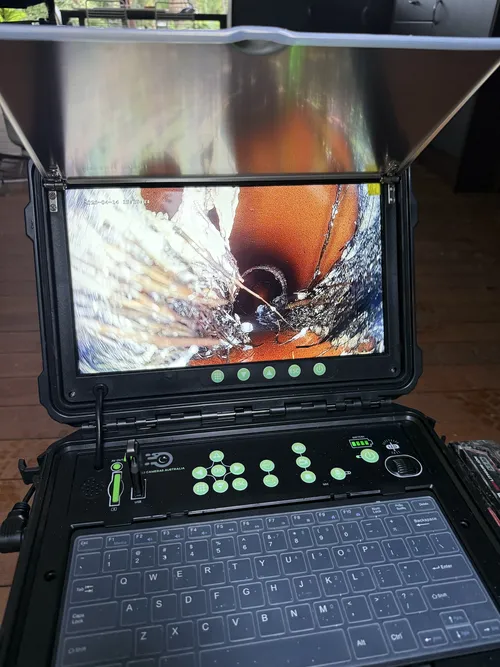
You can guess based on symptoms, but the truth is you can't see what's happening underground without a camera. That's why a CCTV drain inspection is so important when you're trying to figure out if you have a blocked drain or a broken pipe.
Here's how it works. We feed a small waterproof camera on a flexible cable into the drain. The camera sends live video back to a screen so we can see exactly what's happening inside the pipe. We can see blockages, tree roots, cracks, collapses, joint displacements, and any other damage.
A CCTV inspection takes the guesswork out of it. Instead of assuming the problem and hoping the fix works, we diagnose it properly and recommend the right solution the first time.
In my experience working across Brisbane's northside and Moreton Bay suburbs, we find the majority of "blocked drains" we inspect turn out to have underlying pipe damage. The homeowner thinks they just need a drain cleared, but the camera shows a cracked pipe or a collapsed section that's been causing repeat blockages. Finding this early saves a lot of money and headaches down the track.
How Each Problem Gets Fixed
The fix depends entirely on what the camera finds. Here's what to expect for each scenario.
Fixing a Blocked Drain
Most blocked drains in Brisbane homes are cleared using one of these methods:
- High-pressure jet blasting - A powerful stream of water blasts through the pipe, cutting through grease, tree roots, and debris. This is the most effective method for serious blockages and it also cleans the pipe walls.
- Electric eel (drain snake) - A rotating cable with a cutting head that breaks through blockages. Works well for hair, solid objects, and moderate root intrusions.
- Manual clearing - For simple blockages near the access point, sometimes a hand tool or plunger does the job.
After clearing, we usually run the CCTV camera through to confirm the pipe is clear and check for any damage that might cause future problems.
Fixing a Broken Pipe
Broken pipes need a different approach. The two main options are:
- Pipe relining - This is the no-dig solution. We insert a resin-coated liner into the damaged pipe and inflate it against the pipe walls. The resin hardens and creates a new pipe inside the old one. It's faster, cheaper, and less disruptive than digging. The process follows Australian Standard AS/NZS 2566.2 for condition assessment and rehabilitation of pipelines, so you know the repair meets industry requirements.
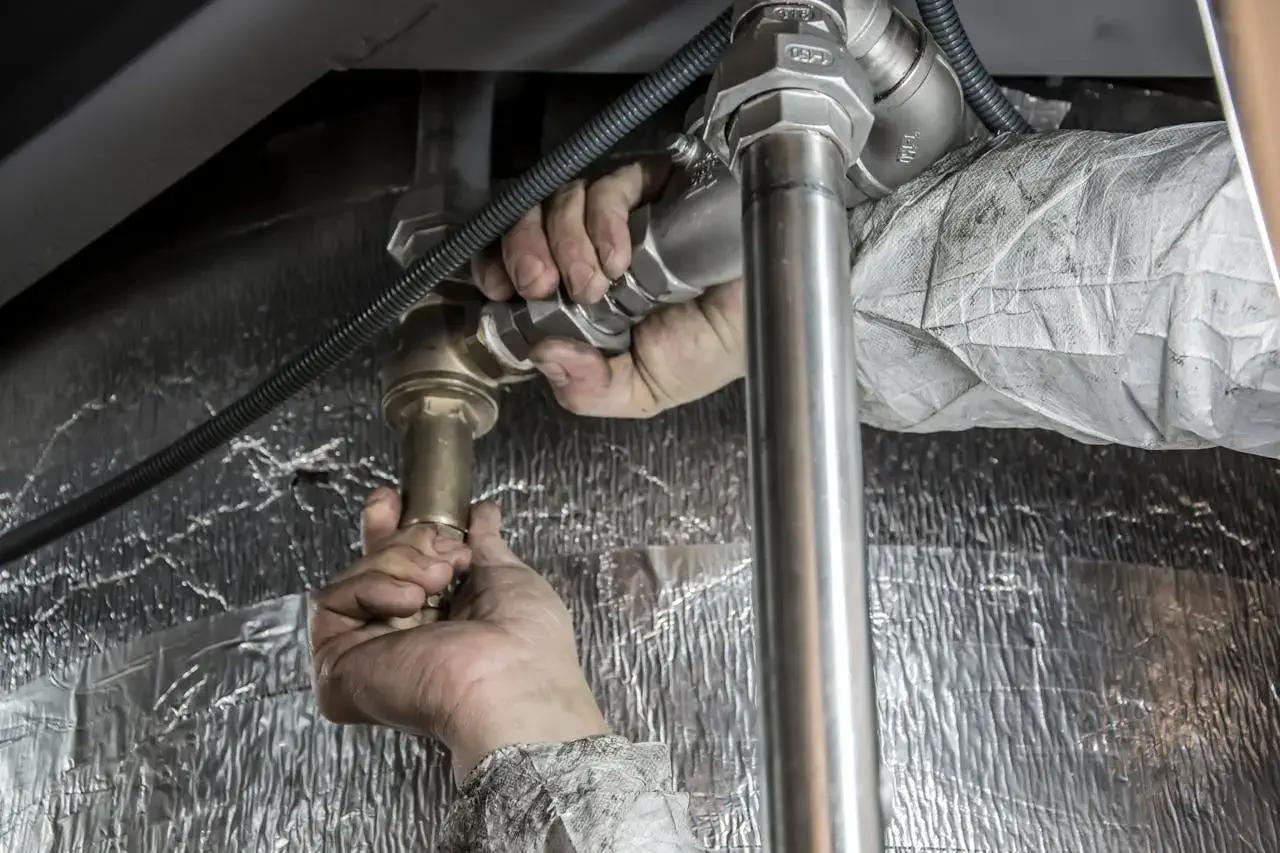
- Pipe repair or replacement - When the damage is too severe for relining (a complete collapse, for example), the pipe section needs to be dug up and replaced. This is more invasive and expensive but sometimes it's the only option.
The method we recommend always depends on what the CCTV camera shows. We'll explain your options, show you the footage, and help you make the right call.
Can a Blocked Drain Cause a Broken Pipe?
Yes. And this is something a lot of Brisbane homeowners don't realise.
A blocked drain creates pressure inside the pipe. Water backs up, and that pressure pushes against the pipe walls. In older clay pipes that are already weakened, this extra pressure can cause cracks or blow out weak joints.
Tree roots are a double threat here. They block the pipe first, then as they grow thicker, they physically break the pipe apart. By the time you notice the blockage, the roots may have already cracked the pipe.
This is why regular drain maintenance matters. Getting your drains inspected and cleaned before problems become emergencies helps catch damage early. A small crack spotted during a routine CCTV inspection is a lot cheaper to fix than a fully collapsed pipe discovered during a sewage backup at 2am.
When to Call a Professional Drainage Plumber
Some minor blockages you can handle yourself. A plunger can fix a simple toilet blockage, and a drain cleaner might clear a slow bathroom sink. But there are times when you need to call a professional.
Call a licensed drainage plumber if:
- Water is backing up through floor wastes or multiple fixtures
- You can smell sewage inside or outside your home
- The same drain keeps blocking repeatedly
- You notice wet patches, sinkholes, or extra-green grass in your yard
- You can hear gurgling in pipes you aren't using
- DIY methods haven't fixed the problem
A word of caution - avoid using chemical drain cleaners repeatedly. They can damage pipes (especially older ones) and they rarely fix the actual problem. They might dissolve part of a grease blockage temporarily, but if there are tree roots or pipe damage involved, chemicals won't help. In Queensland, any plumbing and drainage work must be carried out by a licensed plumber or drainer. DIY repairs on sewer or stormwater lines can result in fines and void your insurance.
What Makes Draintech Brisbane's Approach Different
At Draintech Brisbane, we don't guess. Every job starts with a proper diagnosis. We use CCTV drain cameras to see exactly what's going on before we recommend any work. That means you only pay for what you actually need.
We specialise in drainage - it's what we do every day across Brisbane's northside and Moreton Bay region. We're not a general plumber who does a bit of drainage on the side. Drains are our core business, and that specialisation means we've seen every type of blockage and pipe damage Brisbane's conditions can throw at a home.
Whether it's a straightforward blocked drain that needs jet blasting, a tree root invasion, or a broken pipe that needs relining, we'll show you the problem on camera, explain your options in plain English, and get it sorted properly.
Frequently Asked Questions
How do I know if my drain is blocked or my pipe is broken?
The quickest clue is whether the problem keeps coming back. A blocked drain that's cleared and stays clear is usually just a blockage. If the same drain blocks repeatedly after being cleared, there's likely pipe damage causing it. A CCTV drain inspection gives you a definite answer by showing the inside of the pipe on camera.
What causes most blocked drains in Brisbane?
Tree roots are the number one cause. Brisbane's subtropical climate means roots grow year-round and seek out moisture in drain pipes. Grease buildup, foreign objects flushed down toilets, and stormwater debris after heavy rain are also common causes.
Can tree roots break a drain pipe?
Absolutely. Tree roots start by entering through small gaps in pipe joints. As the roots grow thicker and stronger, they physically crack and displace the pipe. Large species like fig trees, jacarandas, and eucalyptus are the worst offenders near Brisbane drain lines.
How much does it cost to fix a blocked drain vs a broken pipe in Brisbane?
A blocked drain cleared with jet blasting typically costs a few hundred dollars. A broken pipe is more variable - pipe relining is a mid-range option that avoids excavation, while a full pipe replacement with digging is the most expensive. The exact cost depends on the location, depth, and extent of the damage. We always provide a clear quote after inspecting with a CCTV camera.
Is pipe relining a permanent fix?
Yes. Quality pipe relining creates a new pipe inside the old one that's rated to last 50 years or more. The resin liner is resistant to tree roots, corrosion, and cracking. It's a long-term structural repair, not a temporary patch.
Should I get a CCTV drain inspection before buying a house in Brisbane?
It's a smart move, especially for older Brisbane homes with clay pipes. A pre-purchase drain inspection can reveal hidden damage that building inspectors won't find. It could save you thousands in unexpected repairs after settlement.
Stop Guessing and Get Your Drains Checked Properly
Whether you're dealing with a blocked drain or a broken pipe, the worst thing you can do is ignore it. Drainage problems don't fix themselves - they get worse. And the longer you wait, the more expensive the repair.
If your drains are giving you trouble, get in touch with Draintech Brisbane. We'll send a camera down, find out exactly what's going on, and give you honest advice on the best way to fix it. No guesswork, no upselling - just proper drainage solutions from Brisbane's drainage specialists.